Travel guides · 6 min read · 1 Sep 2025
Lonavala Hill Station: A Complete Guide to Its History, Culture & Nature
By Govinda Resorts team
Lonavala Hill Station – Your Complete Historical Guide
Lonavala Hill Station, one of Maharashtra’s most popular tourist spots, lies tucked away in the centre of the Western Ghats. Lonavala has plenty to offer everyone, whether you’re searching for a nature-filled retreat or a short escape from Mumbai or Pune. It is a popular destination for travellers all year round because of its ancient sites, verdant surroundings, and peaceful ambience.
This blog will provide you all the information you need to have an amazing vacation by examining the history, culture, wildlife, and top attractions of Lonavala Hill Station.
The History of Lonavala Hill Station
Ancient and Medieval History
Since the Mauryan era, Lonavala has been an important place. It was a vital region in ancient India because of its advantageous location along the trade routes. It developed into a prosperous community with a number of historical sites over time.Maratha Empire
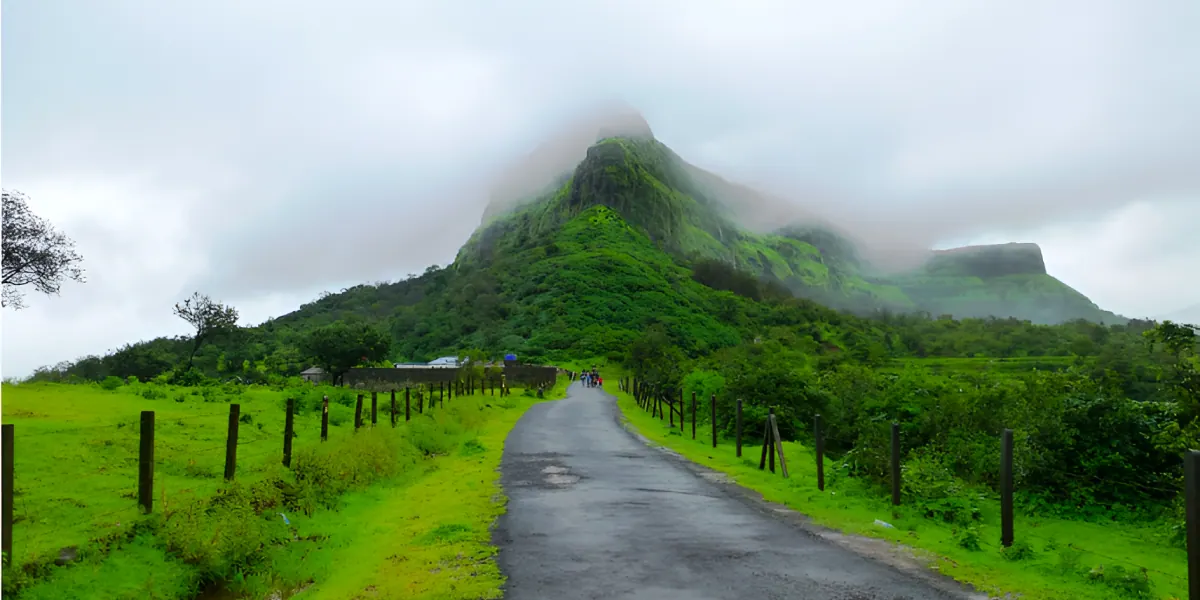
During the Maratha Empire, Lonavala rose to prominence because its mountainous geography made it a natural defence point against enemy attacks. The Marathas’ military tactics are demonstrated by the Lohagad Fort and the Visapur Fort, which are close to Lonavala.Peshwa Era
Lonavala served as a military installation and a link between Pune and Mumbai during the Peshwa dynasty. The Peshwa kings preferred it as a retreat and it gained notoriety for its tranquil surroundings.British Colonial Era and Development as a Hill Station
British Control
Because of its temperate climate, which provided relief from the heat of the coastal plains, Lonavala was established as a hill station during British colonial administration. To accommodate the growing number of tourists, the British constructed a large number of hotels, churches, and bungalows.Lord Elphinstone's Discovery
The town’s potential as a hill station was recognised in the 19th century by Lord Elphinstone, who was Bombay’s governor at the time. As a result of his encouragement, Lonavala quickly gained popularity as a summer hideaway for British officials.Summer Retreat
Lonavala became a summer retreat for British officials and high-ranking military officers. The town’s quiet ambience, coupled with lush hills, made it the perfect place to relax and recharge.
Post-Independence
After India gained independence, Lonavala transitioned into a tourist hub. Over the years, it has maintained its charm and beauty, becoming a major tourist destination in Maharashtra.Tourist Hub
Today, Lonavala is one of the most popular hill stations in India. It attracts tourists for its cool weather, lush valleys, trekking spots, and historical sites.Cultural and Natural Blend
Lonavala is not only about nature; it has a cultural blend influenced by both Maharashtrian and British colonial elements, giving it a unique character that appeals to all kinds of visitors.Culture of Lonavala Hill Station
Local Festivals and Traditions
Lonavala’s local celebrations combine localised customs with traditional Maharashtrian culture. Festivities such as Makar Sankranti, Diwali, and Ganesh Chaturthi are marked by feasts, cultural performances, and large processions. Visitors are especially drawn to the annual Kite Festival, where you can see vibrant kites soaring through the air during Makar Sankranti.Handicrafts and Chikki – The Local Sweet
Lonavala’s signature snack, chikki, is a crunchy confection made from jaggery and nuts that is frequently purchased as a memento. Pottery, wooden objects, and woven baskets are among the many handicrafts available in Lonavala’s local markets. These items are ideal for bringing a bit of Lonavala culture home with you.Blend of Maharashtrian and Colonial Influences
Both Maharashtra customs and British colonial influences may be seen in Lonavala’s architecture and way of life. Bungalows from the colonial era coexist with traditional Marathi homes. The hill station’s appeal is enhanced by this distinctive blending of cultures.Nature & Scenic Beauty of Lonavala
Famous Caves and Waterfalls
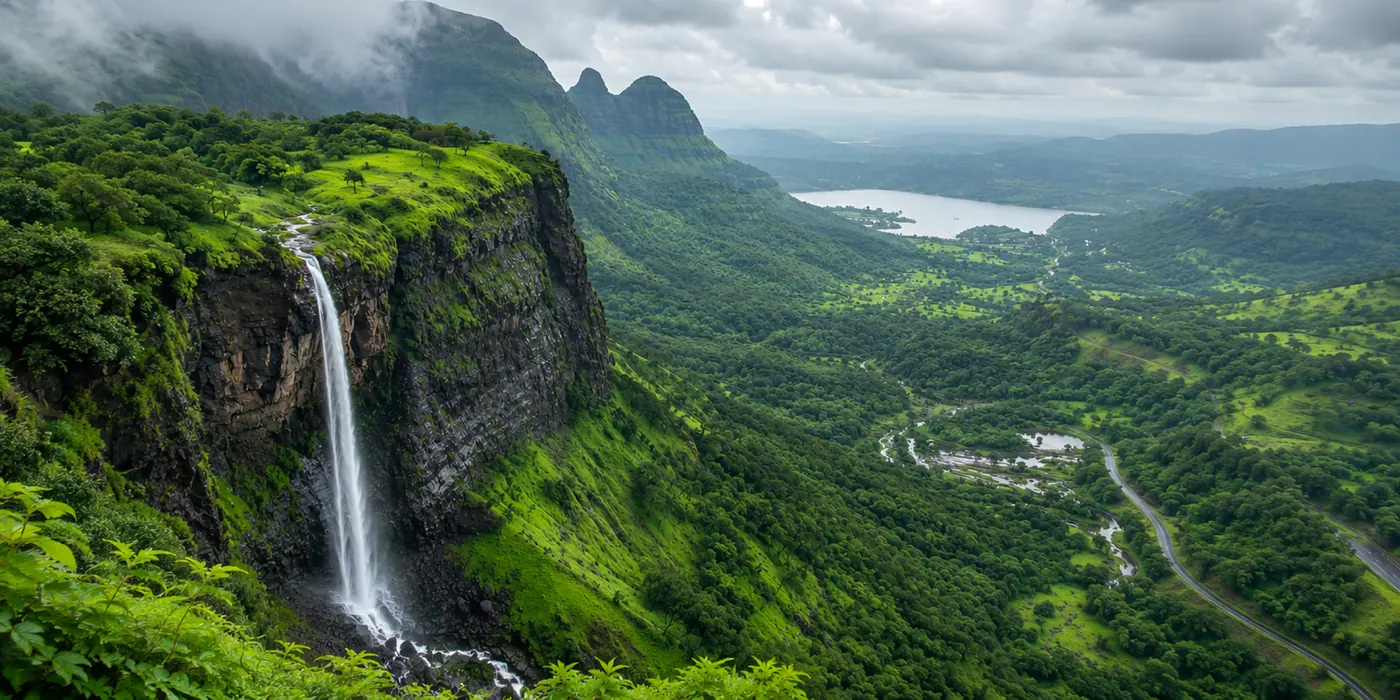
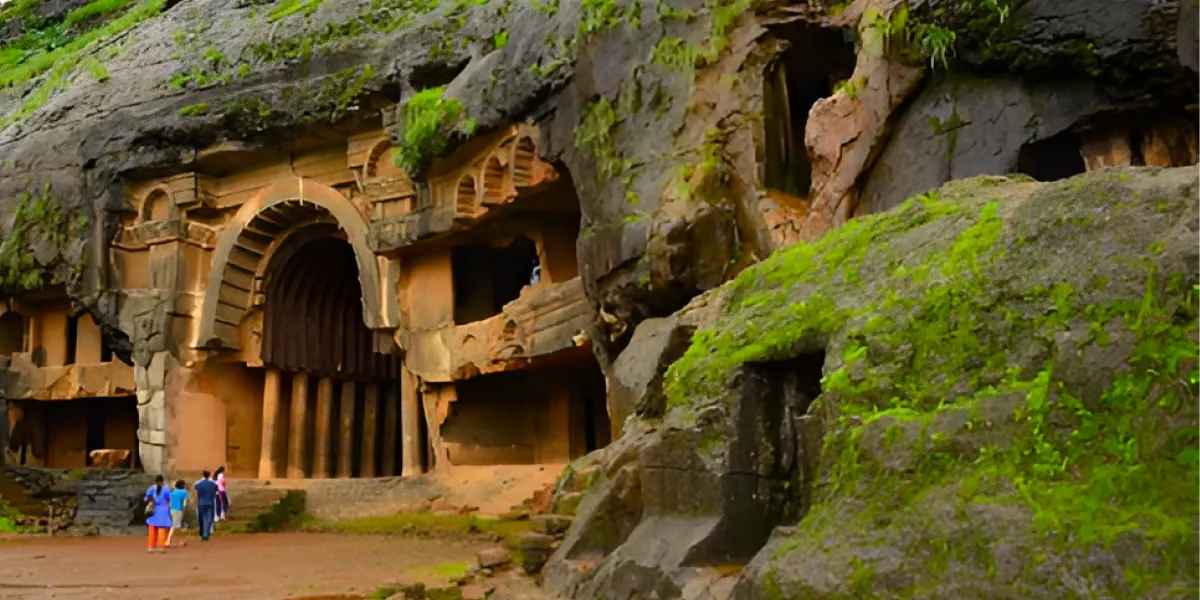
Lonavala is home to several ancient caves that shed light on India’s rich past, such as the Bhaja and Karla caves. Waterfalls like Bhushi Dam and Tungarli Lake are popular tourist sites during the monsoon season, when they come to life with flowing water and lush foliage.
Trekking and Adventure Spots
There are several trekking options in Lonavala for those looking for excitement. Popular trekking destinations that provide sweeping views of the surrounding hills and valleys are Lohagad Fort, Rajmachi Fort, and Korigad Fort.
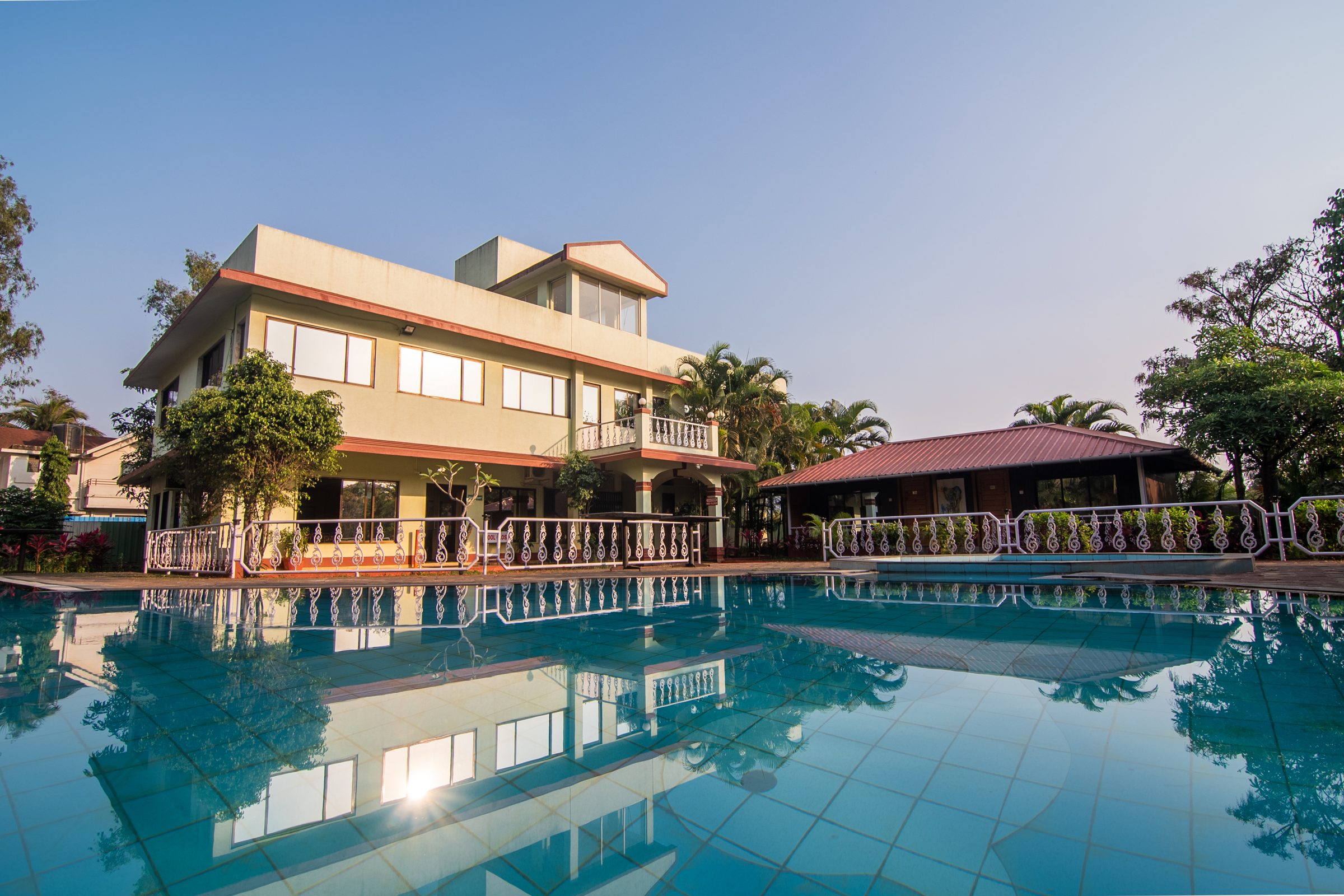
Stay close to it all.
29 rooms, two pools and a pure veg kitchen on the Mumbai-Pune highway.
Green Valleys and Viewpoints
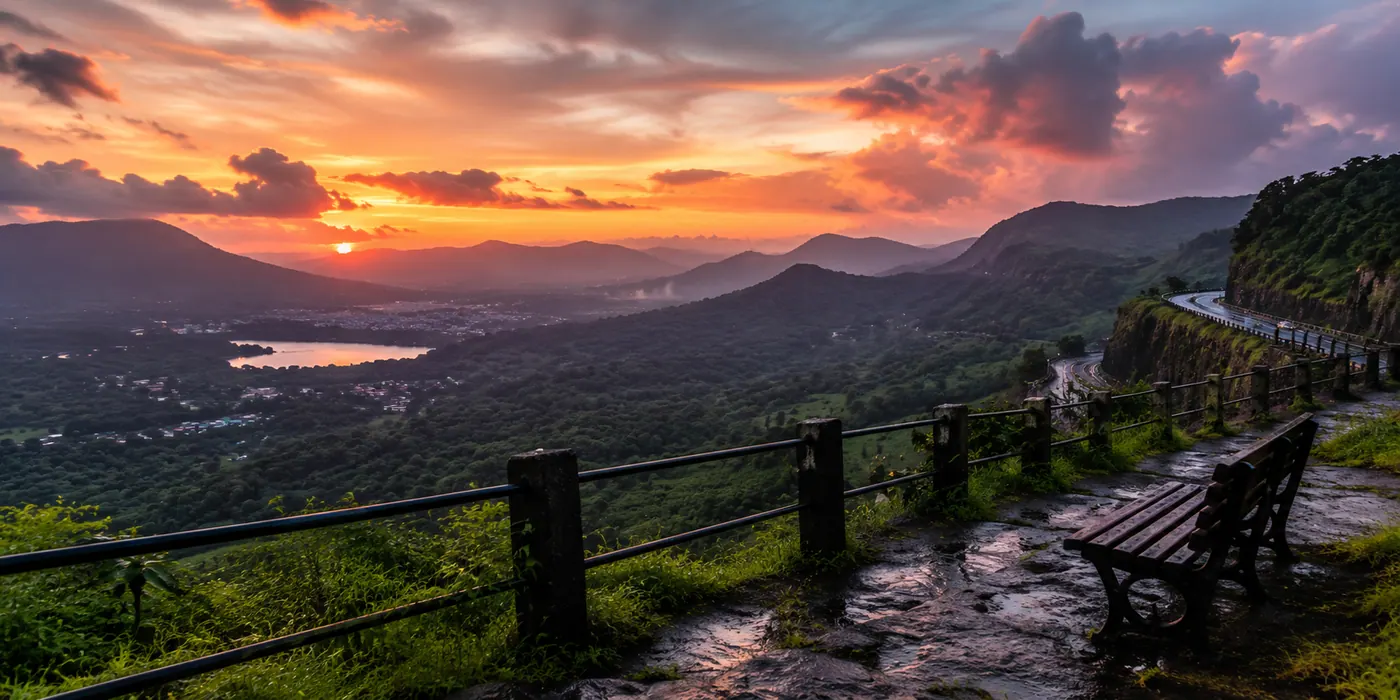
Tiger’s Point and Lion’s Point, two of Lonavala’s most picturesque vantage points, provide expansive vistas of the verdant valleys below. These locations are perfect for taking nature walks, taking pictures, and taking in the peace and quiet of the area.
Lonavala Hill Station Places to Visit
Rajmachi Fort and Valley
A well-liked trekking location, Rajmachi Fort provides stunning views of the valley below. It is well-known for both its historical significance and the surrounding natural beauty.Bhaja and Karla Caves
Ancient Buddhist rock-cut tunnels known as the Bhaja and Karla caves offer an intriguing window into India’s religious and historical past. History buffs should not miss these caverns because of their exquisite engravings.
Tiger’s Point and Lion’s Point
Both Tiger’s Point and Lion’s Point are well-liked spots for sunset and sunrise gazing and provide breathtaking views of the valley. These locations are ideal for unwinding in the middle of nature.
Lonavala Spots Near Station
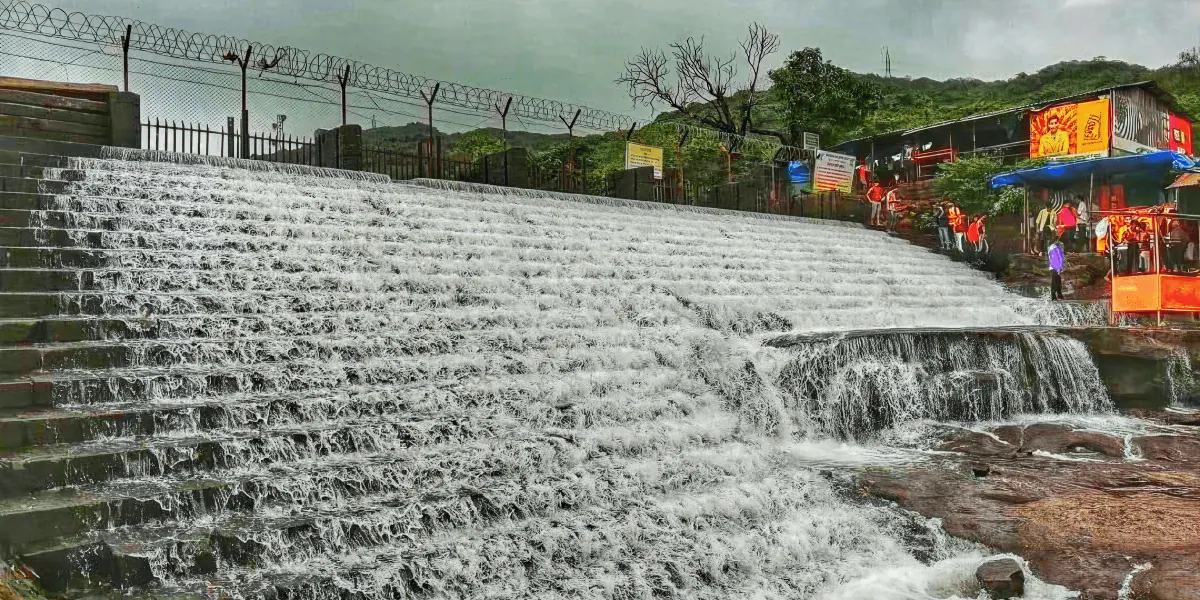
Bhushi Dam and Lakeside Walks
One of the most visited locations close to Lonavala Hill Station is Bhushi Dam. The dam overflows during the monsoon, producing an enthralling sight. There are lovely lakeside walks in the vicinity that are ideal for unwinding and taking in the beauty of nature.Sunset Points Within Easy Reach
The station is adjacent to a number of sunset spots in Lonavala, such as Sunset Point and Lion’s Point, where guests may take in breathtaking views of the sun sinking over the valleys.Local Markets and Food Joints
Food establishments in Lonavala feature traditional Maharashtrian fare, while the local markets provide a variety of souvenirs. As you explore the markets, don’t forget to sample the well-known bhel puri and chikki.Must Know Lonavala Hill Station Information
Best Time to Visit Lonavala
October through May is the ideal time of year to visit Lonavala. These months have nice weather, which is perfect for hiking and sightseeing. Tourists who want to see the area’s renowned waterfalls and lush flora are also drawn to the area during the monsoon season, which runs from June to September.Local Transport and Travel Tips
Major cities like Pune and Mumbai are easily accessible from Lonavala via rail and road. Buses, autorickshaws, and taxis are examples of local transportation. If you intend to visit neighbouring attractions, renting a private vehicle is advised for convenience.
The ideal fusion of culture, history, and scenic beauty can be found at Lonavala Hill Station. Everyone may find something to enjoy in Lonavala, whether they want to walk through picturesque valleys, explore historic caves or just unwind by the lakes. It continues to be one of Maharashtra’s most beloved hill stations because of its fascinating history, diverse culture, and breathtaking scenery.