
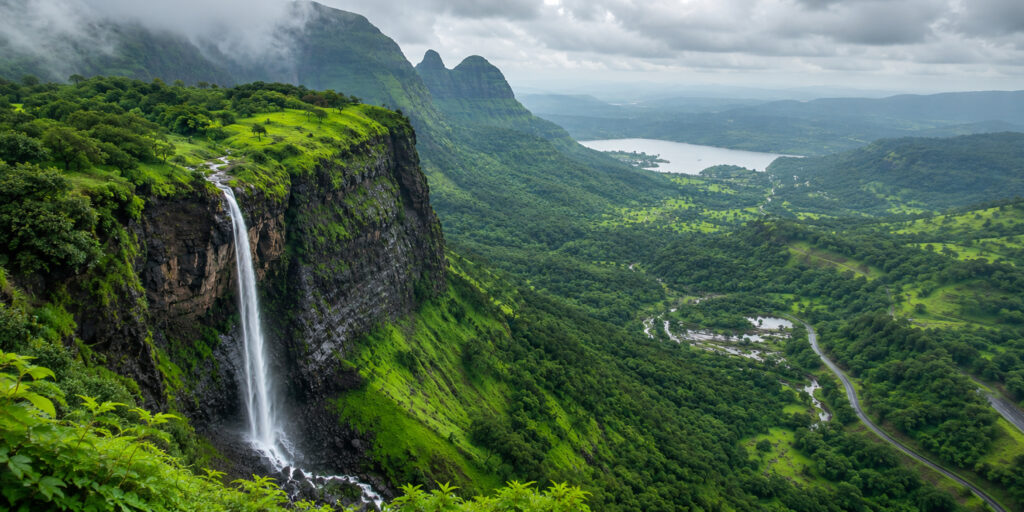
Lonavala is a photographer’s dream — every turn in this Sahyadri hill station reveals a frame worth capturing. The best spots in Lonavala offer everything from dramatic cliff-edge valley views and ancient cave architecture to misty monsoon waterfalls and golden-hour hilltops that look stunning in every season. Whether you shoot on a DSLR, a mirrorless camera, or just your smartphone, Lonavala gives you natural light, layered landscapes, and beautiful backdrops that make great photography surprisingly easy. Just 2 hours from Mumbai and 1.5 hours from Pune, it is one of the most rewarding photography destinations in Maharashtra for both beginners and experienced travel photographers. This guide covers the most scenic and photogenic spots in Lonavala across every category — viewpoints, forts, caves, and nature.
Why Lonavala Is One of Maharashtra’s Best Photography Destinations
What makes Lonavala exceptional for photography is the sheer variety of visual subjects available within a small, driveable area — dramatic cliff-edge viewpoints, ancient rock-cut architecture, lush green trekking trails, cascading waterfalls, and serene lakeside reflections all sit within 30 kilometres of each other. The hill station looks beautiful in every season — misty and green in monsoon, golden and warm in winter, and bright and vivid in summer — which means there is never a bad time to visit with a camera. The quality of natural light in the Sahyadri hills, especially in the early morning and during golden hour before sunset, creates the kind of soft, directional illumination that makes even phone camera shots look genuinely professional and polished.
Best Season and Time of Day for Photography in Lonavala
Monsoon from June to September gives you the most dramatic and lush photography conditions — vivid green landscapes, flowing waterfalls, and misty valley backdrops that make every spot in Lonavala look extraordinary and cinematic. Winter from October to February is perfect for clear, wide-angle landscape shots with blue skies, sharp horizon lines, and warm golden-hour light that works beautifully at viewpoints and forts. Early mornings between 6 and 9 AM are the single best time to shoot at any spot in Lonavala — the light is soft, the crowds are thin, and the mist still lingers in the valleys, creating naturally atmospheric and moody travel photographs.
Iconic Viewpoint Spots in Lonavala for Landscape Photography
These viewpoints are the most photographed spots in Lonavala and offer the biggest, most dramatic landscape frames available anywhere in the hill station.
Tiger’s Point — Lonavala’s Most Iconic Photography Spot
Tiger‘s Point is the single most photographed spot in Lonavala — a dramatic cliff edge where the valley drops hundreds of metres below and in monsoon fills completely with rolling cloud that creates one of the most breathtaking natural photography compositions in all of Maharashtra. Shoot here at sunrise for soft golden light on the green valley or in early monsoon mornings when mist swirls through the gorge for truly cinematic wide-angle shots.
Sunset Point, Khandala — Golden Hour at Its Best
Khandala’s Sunset Point is one of the most rewarding photography spots in Lonavala for golden-hour and twilight shots — as the sun descends behind the valley, the sky layers into brilliant shades of orange, pink, and purple that change dramatically every few minutes, giving photographers an incredible and ever-shifting natural canvas. Set up your shot 30 minutes before sunset for the most dramatic colour transitions and stay until the blue hour for soft, moody post-sunset tones.
Lonavala Lake — Reflections and Soft Light
Lonavala Lake at dawn is one of the most underrated photography spots near the town — the still water reflects the surrounding green hills perfectly in the early morning calm before any wind arrives to break the surface, creating mirror-like landscape shots that look almost surreal and dreamlike. The soft pre-sunrise light here is ideal for long-exposure photography and works equally well for travel portraits with a natural, muted green backdrop.
Tungarli Lake — Quiet Beauty and Open Skies
Tungarli Lake just outside Lonavala town offers wide, open compositions with hills on all sides and expansive sky above — perfect for dramatic cloud photography during monsoon or clean blue-sky landscape shots in winter when the light is crisp and the colours are vivid. The walking path along the lake edge also gives photographers multiple foreground elements — water, reeds, birds — to layer into interesting and well-composed landscape frames.
Heritage and Architecture Photography Spots in Lonavala
Beyond natural landscapes, some of the finest photography spots in Lonavala are its ancient caves and historical forts that offer stunning architectural detail and dramatic natural framing.
Karla Caves — Ancient Stone and Dramatic Columns
The Karla Caves offer extraordinary interior architectural photography — the main chaitya hall’s towering carved stone columns catch shafts of natural light from the entrance that create powerful, dramatic frames inside the cave that look stunning in both colour and black-and-white photography. The view of the monsoon green valley from the cave entrance staircase is itself one of the most beautiful exterior compositions available at any heritage spot in Lonavala.
Bhaja Caves — Waterfall and Ancient Carvings Together
The Bhaja Caves in monsoon offer a composition that is almost impossibly beautiful — ancient 2,200-year-old rock-cut architecture with a natural waterfall cascading alongside the cave entrance against a vivid green hillside backdrop. This combination of heritage and nature in one frame is unique among all the photography spots in Lonavala and is the kind of shot that earns thousands of likes on travel photography platforms.
Lohagad Fort — Stone Ramparts and Valley Panoramas
Lohagad Fort‘s ancient stone gates and battlements photographed against a backdrop of misty monsoon valleys or clear winter blue sky create some of the most powerful and dramatic fort photography compositions available near Mumbai. The wide panoramic view from the fort’s highest point across the Pawna Lake valley is perfect for wide-angle landscape photography, and the fort’s distinctive stepped pathway makes an excellent leading-line composition shot.
Visapur Fort — Expansive Ruins and Open Skies
The Visapur Fort offers more extensive ruins and a wider, more open summit than Lohagad, giving photographers generous space to compose shots of ancient stonework against dramatic Sahyadri skylines in multiple directions from a single location. The fort’s ruined archways and crumbling walls create natural frames for portrait and landscape photography that have a raw, dramatic quality rarely found at more visited and well-maintained heritage sites.
Nature and Trail Photography Spots in Lonavala
For nature photographers, these outdoor spots in Lonavala offer some of the most lush, vivid, and atmospheric natural subjects available anywhere in the Sahyadri range.
Rajmachi Trail — Monsoon Jungle Photography
The Rajmachi Fort trek trail in monsoon is a paradise for nature photographers — dense green jungle canopy, flowing streams crossing the path, wildflowers on the trail edges, and occasional misty clearings with dramatic valley views that appear suddenly and beautifully as you climb. Macro photography of raindrops on leaves, wild mushrooms, and monsoon insects on the Rajmachi trail is equally rewarding and produces some of the most detailed and vivid close-up nature shots possible near Mumbai.
Rajmachi Fireflies — A Once-in-a-Season Night Shot
The Rajmachi firefly experience between late May and July is one of the most extraordinary low-light photography opportunities available at any natural spot in Lonavala — long-exposure shots of thousands of fireflies illuminating the monsoon forest create ethereal, otherworldly images that are unlike anything else in travel photography. An overnight stay in Lonavala is essential for this shoot, and a tripod and manual mode settings are highly recommended for the best results after dark.
Kune Waterfall — Power and Scale in Every Frame
Kune Falls in monsoon is one of Maharashtra’s most powerful waterfall photography subjects — the three-stream cascade thunders down a dramatic rocky cliff face with incredible force and scale that makes even a simple wide shot look genuinely impressive and awe-inspiring in any camera format. Use a slow shutter speed during overcast monsoon light for silky waterfall effects and position yourself on the viewpoint platform for the cleanest and most complete composition of all three streams together.
Govinda Resorts — Beautiful Resort Photography Setting
The lush green grounds of Govinda Resorts in Lonavala are a surprisingly beautiful photography setting in their own right — the poolside with surrounding green hills, the resort’s cottage architecture nestled in Sahyadri greenery, and the golden evening light across the resort garden all create genuinely lovely travel and lifestyle photography compositions. Staying here gives you easy access to all the photography spots in Lonavala covered in this guide and a beautiful backdrop to document your trip from morning to night.
Tips and Stay Advice for Your Lonavala Photography Trip
A few smart choices make your Lonavala photography trip more productive, comfortable, and rewarding from the very first shot to the last.
Shoot Early, Explore Late
The golden rule for photography at any spot in Lonavala is to arrive before sunrise — the first 90 minutes of daylight deliver the softest, most flattering natural light and the emptiest locations, giving you unobstructed compositions that simply are not possible once the day-tripper crowds arrive by mid-morning. Plan to reach Tiger’s Point or the lake viewpoints by 6 to 6:30 AM for the best possible light conditions throughout the year.
Monsoon vs Winter — Choosing Your Photography Season
Monsoon gives you dramatic, moody, and lush green photography with waterfalls and mist as natural elements but unpredictable light, while winter delivers consistently clear blue skies, warm golden-hour tones, and sharp horizon-to-horizon visibility that is ideal for wide-angle landscape shots at every viewpoint. Most travel photographers prefer one visit per season to capture the full visual range that Lonavala’s diverse and ever-changing landscape has to offer throughout the year.
Book Govinda Resorts for a Convenient Photography Base
Staying at Govinda Resorts puts you right in the heart of Lonavala’s photography circuit — close to Tiger’s Point, the lakes, the fort trails, and the caves — so you can leave early for sunrise shoots and return comfortably for meals and rest between sightseeing sessions. The resort’s pure veg restaurant, comfortable cottages, pool, and go-karting also ensure the non-photographer members of your group are equally well-entertained during your trip.
Pack Right for a Photography Trip to Lonavala
Carry a lightweight tripod for low-light and waterfall photography, a rain cover for your camera gear during monsoon visits, extra batteries for cold winter mornings at high-altitude viewpoints, and a polarising filter for reducing glare on lake and waterfall shots in bright midday light. A small dry bag for your camera kit is essential during monsoon visits to any outdoor photography spot in Lonavala where unexpected heavy showers can arrive without much warning.
Lonavala is one of the most photographically rich destinations in Maharashtra, with scenic spots in Lonavala ranging from dramatic cliff viewpoints and ancient carved caves to monsoon waterfalls, firefly forests, and serene lake reflections that reward photographers at every skill level. Plan your timing right, visit the right spots at the right hour, and every frame you take in Lonavala will tell a beautiful and genuinely memorable story. Stay at Govinda Resorts for a comfortable, well-located base and make your Lonavala photography trip one of the most inspiring and creatively fulfilling trips you have ever taken.
Frequently Asked Questions
1. What are the best photography spots in Lonavala?
The best photography spots in Lonavala include Tiger’s Point, Khandala Sunset Point, Karla Caves, Bhaja Caves, Lohagad Fort, Tungarli Lake, Kune Waterfall, and the Rajmachi trail — each offering a unique and stunning visual subject across landscape, heritage, and nature photography categories.
2. When is the best time to visit Lonavala for photography?
Monsoon from June to September is the most dramatic season for photography in Lonavala, with lush green landscapes and waterfalls, while winter from October to February offers clear skies and golden-hour light perfect for landscape shots. Early mornings between 6 and 9 AM give the best natural light at every spot in Lonavala throughout the year.
3. Which spot in Lonavala is best for monsoon photography?
Tiger’s Point is the best monsoon photography spot in Lonavala for landscape shots, while Bhaja Caves with its adjacent waterfall, the Rajmachi trail, and Kune Waterfall are outstanding for nature and heritage monsoon photography. The Rajmachi firefly experience is the most unique and extraordinary low-light photography opportunity available during the monsoon season.
4. Where should I stay for a Lonavala photography trip?
Govinda Resorts in Lonavala is an excellent base for a photography trip, conveniently located near Tiger’s Point, the lakes, the caves, and the fort trails, with comfortable rooms, pure veg dining, a pool, and beautiful green resort grounds that are themselves a lovely photography setting. Book two to three weeks in advance, especially for monsoon and winter weekends.
FAQs
The best Lonavala places to visit in summer include Tiger's Leap, Karla Caves, Lohagad Fort, and Lonavala Lake. These spots offer a great mix of nature, adventure, history, and fun that suits all age groups. The cool hill climate makes outdoor sightseeing comfortable even during the peak summer months of April, May, and June.
Yes, Lonavala is a great place to visit in summer because its high altitude keeps it naturally cooler than cities like Mumbai and Pune. The weather from March to early June is pleasant in the mornings and evenings, making outdoor sightseeing very comfortable for the whole family. It is one of the most popular summer vacation places in Maharashtra and is easily accessible from both Mumbai and Pune by road or train.
Two to three days are enough to comfortably cover all the top Lonavala places to visit in summer at a relaxed pace. On day one, explore viewpoints and lakes; on day two, visit Karla Caves and do a trek; and on day three, explore forts or Pawna Lake. Families with younger children may prefer four days for a more leisurely and stress-free trip.
Govinda Resorts is one of the best family-friendly places to stay in Lonavala, offering pure veg meals, comfortable rooms, a swimming pool, and a peaceful green setting that families love. The resort is well-located for visiting all the major Lonavala sightseeing spots during a summer trip. Booking in advance is recommended as family resorts fill up quickly during the April to June summer holiday season.